
A child’s first teeth play an important role in eating, speaking and the development of a healthy smile. Although baby teeth eventually fall out, they need proper care from the time they first appear. Early oral hygiene habits can help reduce the risk of tooth decay and make dental visits more comfortable for children as they grow.
At Shree Child Dental Care Centre, we encourage parents to establish healthy dental routines early and seek professional advice whenever they have concerns about their child’s teeth.
This guide explains when to start cleaning baby teeth, how to use fluoride toothpaste, when to schedule the first dental visit and how to help prevent early childhood tooth decay.

When Do Baby Teeth Start Appearing?
Most babies develop their first tooth at around six months of age, although the timing varies from child to child. The lower front teeth often appear first, followed by other teeth over the next few years.
By approximately three years of age, many children have a complete set of 20 primary teeth.
Every child develops differently, so there is no need to compare your baby’s teething timeline with another child’s. If you have concerns about delayed tooth eruption, unusual tooth appearance or your child’s oral development, consult a pediatric dentist.
Why Are Baby Teeth Important?
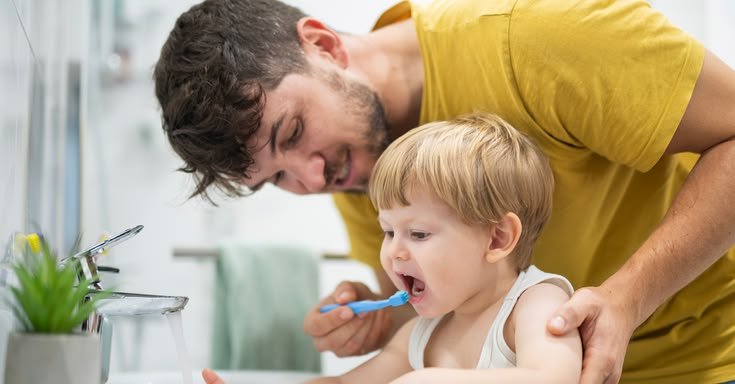
Baby teeth are more than temporary teeth. They support several important aspects of childhood development.
- Chewing and nutrition: Healthy teeth help children bite and chew food comfortably.
- Speech development: Teeth contribute to the production of certain speech sounds.
- Space for permanent teeth: Primary teeth help maintain space for the permanent teeth developing beneath them.
- Comfort and confidence: Treating dental problems early can help prevent avoidable pain and difficulty eating.
- Positive dental habits: Early oral care helps children become familiar with brushing and dental check-ups.
A baby tooth with decay should not be ignored simply because it will eventually fall out. Untreated dental problems can cause pain, infection and difficulty eating.
How to Clean Your Baby’s Teeth
Oral care should begin before the first tooth appears.
Before the first tooth erupts
Gently wipe your baby’s gums with a clean, soft, damp cloth or use an appropriate infant gum-cleaning tool. This helps you establish a gentle oral-care routine.
Once the first tooth appears
Begin brushing twice daily with a soft, age-appropriate toothbrush. Pay particular attention to the gumline and the surfaces of every erupted tooth.
Use a small amount of fluoride toothpaste appropriate for your child’s age. Fluoride helps strengthen tooth enamel and protect against cavities.
How much toothpaste should you use?
- Under three years: Use a smear approximately the size of a grain of rice.
- Three to six years: Use a pea-sized amount.
An adult should dispense the toothpaste and supervise brushing. Encourage your child to spit it out when able and avoid swallowing toothpaste.
Should parents brush for their children?
Yes. Young children usually do not have the coordination needed to clean every tooth effectively. Brush your child’s teeth for them and gradually let them participate as they grow. Continue supervising and assisting until they can brush thoroughly and consistently on their own.
When Should Your Baby First Visit a Dentist?
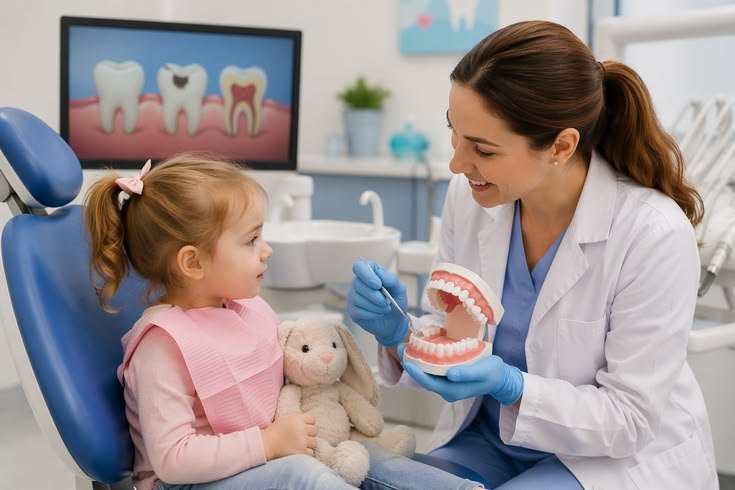
Schedule your child’s first dental visit when the first tooth appears or no later than their first birthday.
An early visit gives the dentist an opportunity to examine the teeth and gums, discuss feeding and brushing habits, identify early signs of decay and answer questions about teething or oral development.
Regular dental visits can also help children become familiar with the dental environment before a problem arises.
If you are looking for professional guidance, visit our pediatric dentist in Vellore to learn more about child-focused dental care.
How to Prevent Cavities in Baby Teeth
Early childhood tooth decay can develop when teeth are frequently exposed to sugars, especially when oral hygiene is inadequate. A few everyday habits can help reduce the risk.
1. Brush twice every day
Brush in the morning and before bedtime using a soft toothbrush and the recommended amount of fluoride toothpaste.
2. Limit frequent sugary snacks and drinks
Frequent exposure to sugary foods and drinks increases the risk of tooth decay. Offer balanced meals and snacks, and choose water between meals where appropriate.
Avoid routinely giving babies sweetened drinks, juice or sugary liquids in bottles.
3. Avoid putting your baby to bed with a bottle
Do not put your baby to sleep with a bottle containing milk, formula, juice or other sugary liquids. Prolonged exposure can contribute to early childhood tooth decay.
Follow age-appropriate feeding advice, and discuss nighttime feeding and oral hygiene with your child's healthcare professional if you are unsure what is appropriate.
4. Do not share toothbrushes
Give your child their own toothbrush and replace it when the bristles become worn. Keep the toothbrush clean and allow it to air-dry between uses.
5. Arrange regular dental check-ups
Routine dental visits help monitor tooth development and identify concerns before they become more difficult to manage. Your dentist can recommend an appropriate follow-up schedule for your child.
For more information about preventive services, explore our preventive dental care for children in Vellore page.
Understanding Teething in Babies
Teething may cause tender gums, drooling, a desire to chew on objects and temporary irritability. Some babies experience these symptoms more noticeably than others.
To help soothe your baby:
- Gently massage the gums with a clean finger.
- Offer a firm, age-appropriate teething ring that has been chilled in the refrigerator, not frozen.
- Keep the area around your baby clean and dry if drooling irritates the skin.
- Ask a healthcare professional before using teething medicines or gels.
Avoid placing aspirin on the gums or using teething products containing ingredients that have not been recommended by your child's healthcare professional.
A high fever, significant diarrhea or a baby who appears seriously unwell should not automatically be attributed to teething. Seek medical advice when these symptoms occur.
Signs Your Baby or Child May Need Dental Attention
Contact a dentist if you notice any of the following:
- White, brown or dark spots on the teeth.
- Visible holes or rough areas on a tooth.
- Persistent tooth pain or sensitivity.
- Swollen, bleeding or unusually red gums.
- Difficulty eating or chewing.
- A broken, injured or discoloured tooth.
- Swelling around the face or gums.
Emergency Alert: Facial swelling, fever associated with dental swelling, difficulty swallowing or difficulty breathing requires urgent assessment. Difficulty breathing or swallowing is an emergency.
Do not wait for a routine appointment if your child has severe pain, significant swelling or a dental injury. Reach out for urgent dental care for children immediately.
What Happens During a Child’s Dental Visit?
A child's dental visit is an opportunity to assess oral health and help parents understand the next steps in care. Depending on your child's age and needs, the dentist may:
- Examine the teeth, gums and oral development.
- Check for signs of early tooth decay.
- Review brushing, feeding and dietary habits.
- Discuss fluoride use and cavity prevention.
- Recommend treatment or follow-up if needed.
- Answer parents' questions about teething and tooth development.
The specific examination and any recommended treatment will depend on the child's individual needs. Regular dental check-ups for children help keep growing smiles on track.
Baby Teeth Care: A Simple Daily Checklist
Parents can use this checklist to build a consistent routine.
- Brush the child's teeth twice daily.
- Use the correct amount of fluoride toothpaste for the child's age.
- Help and supervise brushing.
- Limit frequent sugary snacks and drinks.
- Avoid putting the baby to bed with a bottle of sugary liquid.
- Watch for changes in tooth colour, pain or swelling.
- Arrange the first dental visit by the first birthday, or when the first tooth appears.
- Follow the dentist's recommendations for regular check-ups.
Small, consistent habits can make a meaningful difference to your child's oral health.
Frequently Asked Questions About Baby Teeth Care
Support Your Child’s Healthy Smile
Healthy baby teeth begin with gentle daily care, sensible feeding habits and timely dental check-ups. If you have questions about your child's teeth, teething, brushing routine or possible tooth decay, professional guidance can help you decide what to do next.
Shree Child Dental Care Centre provides child-focused dental care in Sathuvachari, Vellore. Dr. R. A. Sowmiya Sree, MDS, Pediatric and Preventive Dentist, offers guidance to help parents support their children's oral health.