
Good oral hygiene helps children develop healthy teeth, comfortable gums and positive dental habits that can last a lifetime. From cleaning a baby's first tooth to teaching school-age children how to brush independently, parents play an important role in protecting their child's smile.
At Shree Child Dental Care Centre, Sathuvachari, Vellore, we encourage families to make oral care part of their child's everyday routine. With the right brushing technique, age-appropriate fluoride toothpaste, healthy eating habits and regular dental visits, parents can help reduce the risk of tooth decay.
This guide explains how to maintain oral hygiene for kids at every stage of childhood.
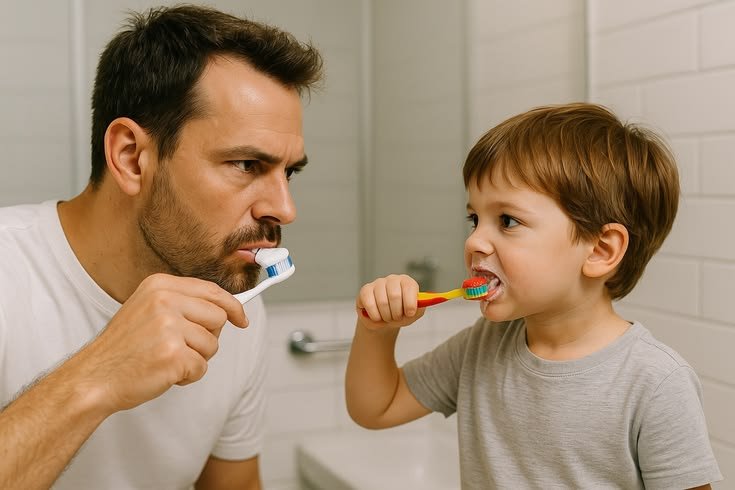
Why Is Oral Hygiene Important for Children?
Children's teeth are essential for chewing, speech development and maintaining space for permanent teeth. Poor oral hygiene can allow plaque to accumulate, increasing the risk of cavities and gum inflammation.
A consistent oral-care routine can help:
- Reduce the risk of tooth decay.
- Keep teeth and gums clean.
- Support healthy development of baby and permanent teeth.
- Encourage children to take responsibility for their oral health.
- Help children become comfortable with regular dental check-ups.
Baby teeth need attention even though they eventually fall out. Dental problems in primary teeth can cause pain, infection and difficulty eating.
How to Brush Children's Teeth Correctly
Brushing twice a day is one of the most important steps in maintaining children's oral hygiene.
Step 1: Choose the right toothbrush
Use a soft-bristled toothbrush with a small head that fits comfortably in your child's mouth. Replace it when the bristles become worn.
Step 2: Use the correct amount of fluoride toothpaste
Use fluoride toothpaste appropriate for your child's age.
- Children under three: Use a smear approximately the size of a grain of rice.
- Children aged three to six: Use a pea-sized amount.
An adult should dispense the toothpaste and supervise brushing to reduce swallowing.
Step 3: Brush all tooth surfaces
Gently brush the front, back and chewing surfaces of every tooth. Use small, controlled movements and pay attention to the gumline.
Step 4: Brush twice daily
Brush in the morning and before bedtime. Night-time brushing is particularly important because it removes plaque and food debris accumulated during the day.
Step 5: Supervise your child
Young children often need help brushing effectively. Brush for them or assist them until they can clean all tooth surfaces properly. Encourage independence gradually while continuing to supervise.
Oral Hygiene for Babies and Toddlers
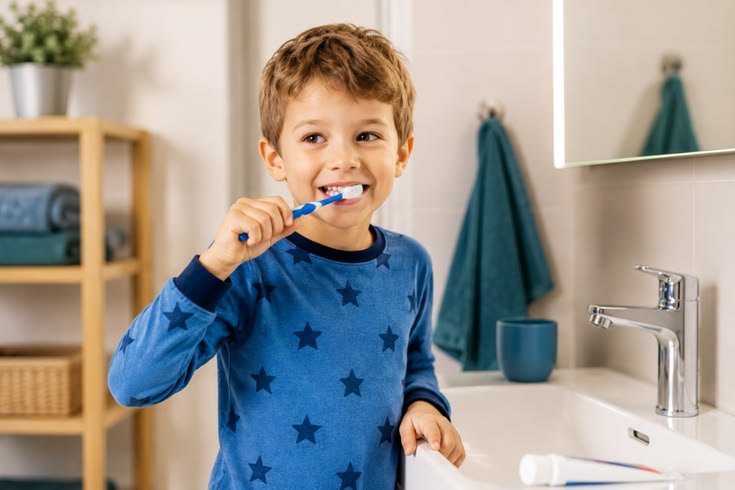
Oral care should begin before the first tooth appears.
Before teeth erupt, gently clean your baby's gums with a clean, soft, damp cloth. Once the first tooth appears, start brushing twice daily with a soft infant toothbrush and the recommended amount of fluoride toothpaste.
For toddlers:
- Make brushing a predictable morning and bedtime routine.
- Use gentle, reassuring language.
- Let your child hold the toothbrush with your assistance.
- Avoid allowing toddlers to swallow toothpaste.
- Avoid putting your child to bed with a bottle containing milk, formula, juice or other sugary liquids.
Arrange the first dental visit when the first tooth appears or by the first birthday. You can also explore our complete baby teeth care guide for step-by-step infancy advice.
How to Teach School-Age Children Good Oral Hygiene
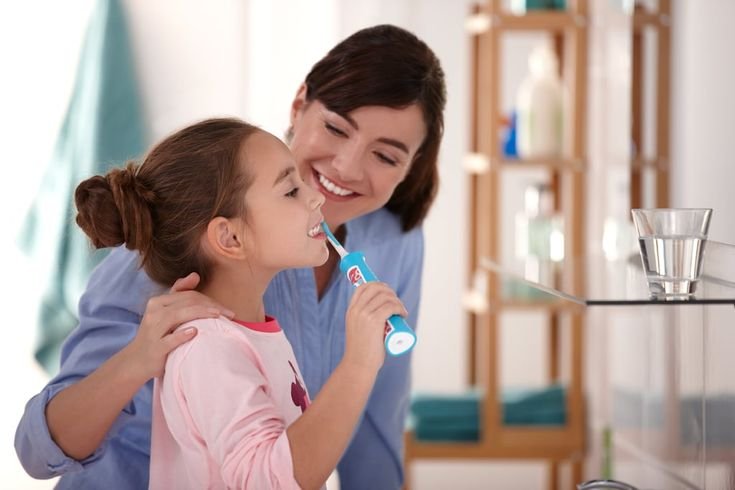
As children grow, they can gradually take a more active role in caring for their teeth.
Parents can help by:
- Brushing together to demonstrate proper technique.
- Using a simple two-minute brushing routine.
- Offering age-appropriate toothbrushes.
- Praising consistent effort rather than expecting perfection.
- Checking that the back teeth and gumline are cleaned.
- Encouraging regular dental visits.
Children develop brushing skills at different rates. Continue assisting until your child can brush thoroughly and consistently without help. Scheduling periodic dental check-ups for children reinforces good brushing discipline.
Foods and Drinks That Affect Children's Dental Health
Diet plays an important role in oral health. Frequent exposure to sugary foods and drinks can increase the risk of tooth decay.
Encourage tooth-friendly habits
- Offer balanced meals with a variety of nutritious foods.
- Choose water between meals where appropriate.
- Limit frequent sugary snacks and sweetened drinks.
- Avoid routinely giving juice or sweetened beverages in bottles.
- Keep sugary treats occasional rather than allowing repeated snacking throughout the day.
You do not need to eliminate every sweet food to support healthy teeth. The frequency of sugar exposure, daily brushing and individual risk factors all matter.
Common Oral Hygiene Mistakes Parents Should Avoid
Even caring parents can overlook small habits that affect children's teeth.
Brushing only once a day
Once-daily brushing does not provide the recommended routine. Aim for twice-daily brushing with fluoride toothpaste.
Allowing children to swallow toothpaste
Young children may swallow toothpaste if too much is used. Dispense the correct amount and supervise brushing.
Ignoring baby teeth
Baby teeth are temporary, but they still need daily cleaning and professional attention when problems develop.
Giving sugary drinks at bedtime
Prolonged exposure to sugary liquids can contribute to early childhood tooth decay. Avoid putting babies to sleep with bottles containing sugary liquids.
Waiting until a child has pain to visit a dentist
Dental problems may develop before a child complains of discomfort. Regular check-ups help identify concerns earlier.
Signs Your Child May Need a Dental Check-Up
Arrange a dental assessment if you notice:
- White, brown or dark spots on teeth.
- Tooth sensitivity or persistent toothache.
- Bleeding, swollen or red gums.
- Visible holes or damaged teeth.
- Bad breath that persists despite appropriate oral hygiene.
- Difficulty chewing or avoiding certain foods.
- A chipped tooth or dental injury.
Emergency Alert: Seek urgent care for significant facial swelling or suspected dental infection. Difficulty breathing or swallowing is an emergency.
How Often Should Children Visit a Dentist?
Children should have their first dental visit when the first tooth erupts or by their first birthday. After that, the dentist can recommend an appropriate check-up schedule based on the child's oral health, cavity risk and treatment needs.
Regular visits may include an examination of the teeth and gums, advice on brushing and diet, monitoring of tooth development and preventive recommendations where appropriate.
For professional guidance about your child's dental health, visit our pediatric dentist in Vellore page, and explore our full range of preventive dental care for children.
A Simple Daily Oral Hygiene Checklist for Kids
Parents can use this checklist to establish a consistent routine:
- Brush twice daily with fluoride toothpaste.
- Use the correct toothpaste amount for the child's age.
- Help or supervise brushing.
- Clean all tooth surfaces gently.
- Limit frequent sugary snacks and drinks.
- Avoid bedtime bottles containing sugary liquids.
- Watch for tooth pain, unusual spots or gum changes.
- Keep up with recommended dental check-ups.
Consistent habits are more effective than occasional efforts. Make oral care a normal, positive part of your child's day.
Frequently Asked Questions About Oral Hygiene for Kids
Help Your Child Build Healthy Dental Habits
Healthy teeth begin with daily care, sensible dietary habits and regular professional guidance. Helping children develop good oral hygiene early can support their dental health as they grow.
Shree Child Dental Care Centre provides child-focused dental care in Sathuvachari, Vellore. Dr. R. A. Sowmiya Sree, MDS, Pediatric and Preventive Dentist, offers guidance to help parents care for their children's teeth.